



The definition of a world-class hospital has fundamentally shifted. While clinical prestige and patient outcomes remain bedrock metrics, the leading edge of modern medicine is defined by digital maturity. According to the World’s Best Smart Hospitals 2026 report, elite medical centers are no longer just places of healing; they are dense ecosystems of artificial intelligence (AI), robotic automation, and quantum computing.
For U.S. healthcare systems facing labor shortages and soaring operational costs, the innovations pioneered by these premier facilities are not distant experiments. They are the immediate blueprint for the future of patient care.
Here is a look inside the world’s most technologically advanced hospitals, what makes them entirely unique, and the raw numbers defining their success.
1. Mayo Clinic (Rochester, Minnesota, USA)
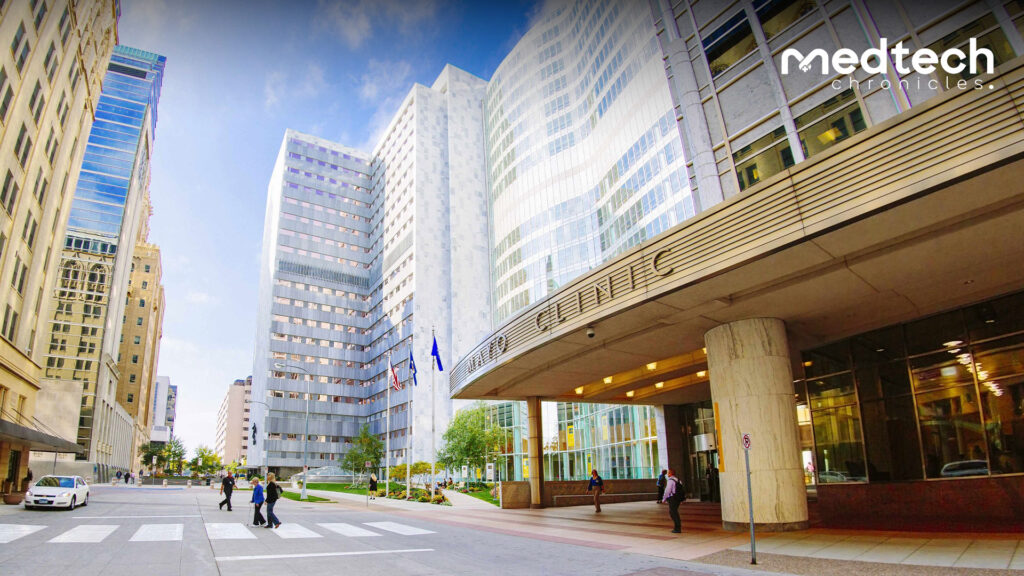
Primary Focus: Automated Diagnostics, Big Data Telemetry, Platform Medicine
The Unique Edge: Reclaiming the absolute No. 1 global spot in the 2026 rankings, Mayo Clinic’s superpower is its massive, unmatched clinical data integration. Through its specialized Connect platform, Mayo securely de-identifies and aggregates millions of patient records. This massive “data lake” allows machine learning models to screen, detect, and predict complex pathologies long before human physicians can observe physical symptoms.
- By the Numbers:
- 10.4 Million: The number of de-identified patient records, lab results, and historical test reports compiled to train its diagnostic algorithms.
- 32%: The increase in early detection of a weak heart pump (which frequently triggers fatal heart failure) achieved by Mayo cardiologists using a routine EKG paired with a proprietary AI algorithm.
- 7: The number of active, AI-enabled electrocardiogram (ECG) algorithms currently embedded directly into Mayo’s daily clinical workflow.
2. Cleveland Clinic (Cleveland, Ohio, USA)
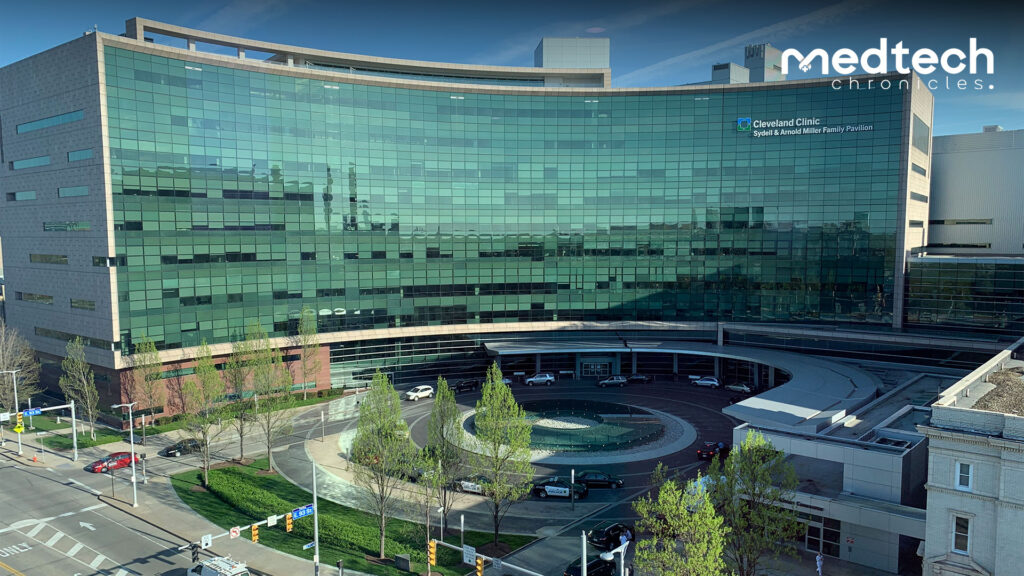
Primary Focus: Quantum Computing, Virtual Control Systems, Enterprise AI
The Unique Edge: Holding the strong No. 2 global spot, Cleveland Clinic stands out by perfectly translating high-tech innovation into strict operational Key Performance Indicators (KPIs). Driven by a digital-first strategy initiated by leadership, every major project and technology deployment must pass a rigid internal digital-readiness audit to guarantee measurable clinical outcomes.
- By the Numbers:
- 1: The first and only hospital globally to install an on-site quantum computer, the IBM Quantum System One, completely dedicated to accelerating medical and genomic research.
- 360 Degrees: The level of synchronized tracking managed by its virtual command center, which constantly visualizes bed-occupancy forecasts, patient flow, and operating room timetables to drastically cut emergency room wait times.
- 80%: The proportion of physicians in pilot programs who reported a substantial drop in documentation time after using the clinic’s native generative AI scribes.
3. Sheba Medical Center (Ramat Gan, Israel)
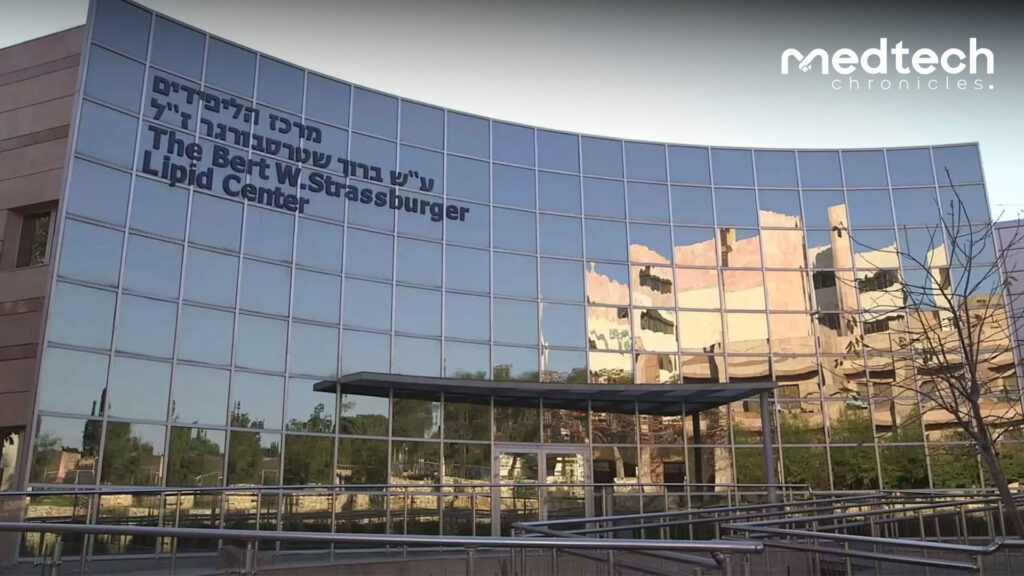
Primary Focus: Open-Source Innovation, Autonomous Triage, Bio-Convergence
The Unique Edge: Ranking at No. 9 globally, Sheba does not just purchase external tech; it builds and exports it. Operating precisely like a Silicon Valley tech hub, its ARC (Accelerate, Redesign, Collaborate) Innovation Center brings together global startups, academia, and venture capital. Startups have direct access to Sheba’s clean data infrastructure, allowing them to rapidly pilot solutions right on the hospital floor.
- By the Numbers:
- 2004: The year Sheba went entirely paperless, giving the facility a multi-decade head start in aggregating clean medical datasets.
- 1,400+: The number of hospitals worldwide now actively utilizing AIDOC, an AI system incubated directly at Sheba that delivers rapid, automated stroke and internal bleeding detection.
- 15 Minutes: The average time chopped off complex spinal surgeries (down from 45 minutes) thanks to an ARC-developed augmented reality (AR) solution that shows surgeons exactly where to insert needles.
4. Massachusetts General Hospital (Boston, Massachusetts, USA)
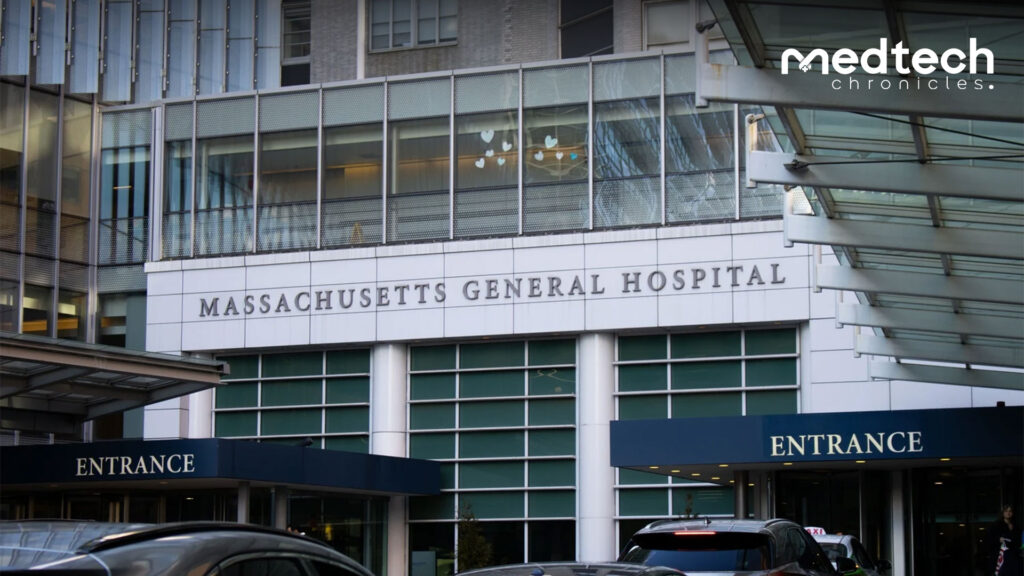
Primary Focus: Precision Machine Learning, Surgical Robotics, Image Informatics
The Unique Edge: Sitting firmly at No. 3 globally, Massachusetts General Hospital (MGH) excels at turning complex academic theories into immediate bedside tools. As the largest teaching hospital of Harvard Medical School, MGH focuses intensely on “image informatics”, using deep-learning algorithms to scan radiological scans for microscopic indicators of neurological and oncological disease.
- By the Numbers:
- 40%: The average reduction in a patient’s post-operative recovery window achieved by MGH’s standardized use of next-generation robotic-assisted surgical platforms like the da Vinci system.
- 2,700+: The number of clinical residents and fellows training across the system, creating the largest graduate medical education program in the U.S. to actively deploy medical AI.
5. Karolinska University Hospital (Stockholm, Sweden)
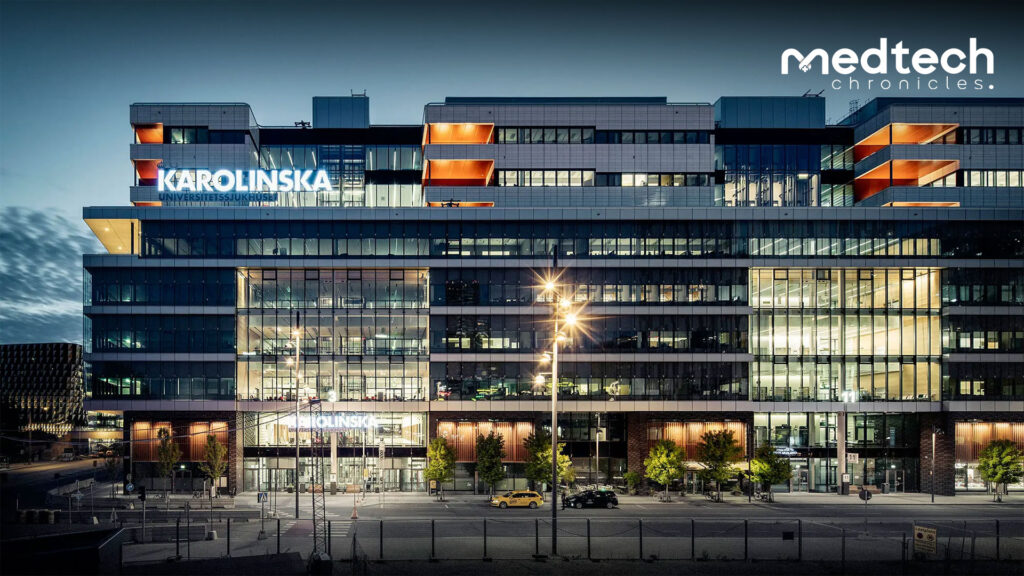
Primary Focus: Advanced Telemetry, Virtualization, “Hospital-at-Home” Infrastructure
The Unique Edge: Ranking at No. 11 globally, Karolinska represents the absolute peak of European digitized medicine, operating in a country where nearly 100% of citizens possess digital health keys. Karolinska is uniquely focused on decoupling healthcare from physical brick-and-mortar buildings, building an infrastructure that turns a patient’s own home into a continuous, data-mapped care unit.
- By the Numbers:
- 50%: The target percentage of total patient interactions that its partner network aims to transition to remote, home-based telemetry by 2030 using wearable biometric sensors.
- 100%: Digital integration of the hospital’s image management system, which feeds directly into VR-assisted surgical planning suites shared with the Nobel Prize-awarding Karolinska Institute.
The Operational Reality: High Tech, High Hurdles
While these multi-billion-dollar figures and lightning-fast metrics paint an inspiring picture, scaling these technologies beyond elite medical institutions remains a complex challenge.
In a traditional care model, medical treatment is inherently reactionary, occurring only after physical symptoms manifest. In a smart hospital model, patient care flows continuously from AI monitoring tools to early degradation flags, enabling doctors to take preemptive action. However, moving legacy system data into standard cloud architecture requires a multimillion-dollar investment alongside incredibly rigid cybersecurity defenses. Smaller regional systems face steep financial hurdles just to build the foundational data pipelines required to run basic predictive AI.
Ultimately, medical ethicists emphasize that AI tools must be strictly viewed as “augmented intelligence.” They are designed to act as highly vigilant assistants that eliminate administrative burnout and flag clinical anomalies, ultimately protecting, rather than replacing, the irreplaceable human element of medical care.
Mayo Clinic Named No. 1 Hospital in the World by Newsweek provides an in-depth look at how the institution achieved its elite standing and reflects on its continued commitment to global medical leadership.