



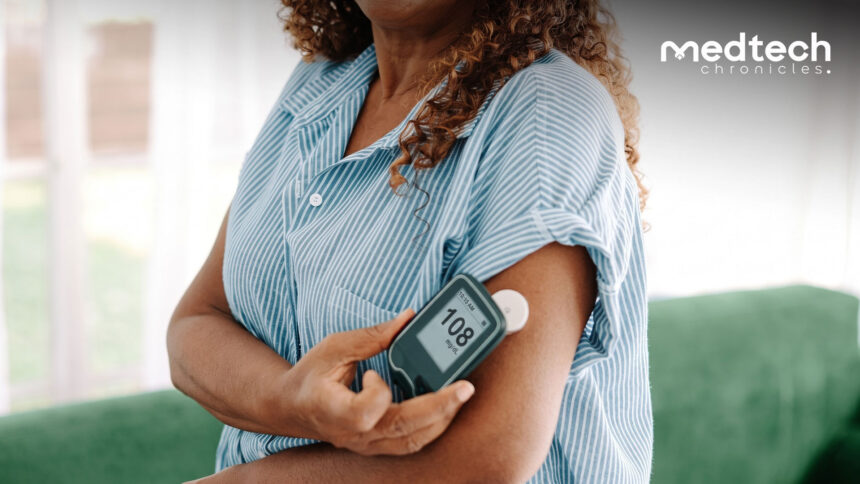
You’ve seen the ads. A sleek little patch on someone’s arm, a phone screen full of green graphs, a promise that you can finally “see” your metabolism in real time. Continuous glucose monitors, CGMs, have quietly gone from a lifeline for people with diabetes to a lifestyle accessory for people who are, by every clinical measure, perfectly healthy.
And now a growing number of doctors are saying: maybe don’t.
Not because the technology is bad. It’s genuinely remarkable for the people it was built for. But a wave of new research is making the case that for healthy adults without diabetes, CGMs aren’t just unproven; they might actively work against you. Confusing data, unnecessary anxiety, and a false sense of precision are turning up as recurring themes. Here’s what’s actually going on, and why the people who prescribe these devices for a living are starting to pump the brakes.
The Study That Started the Pushback
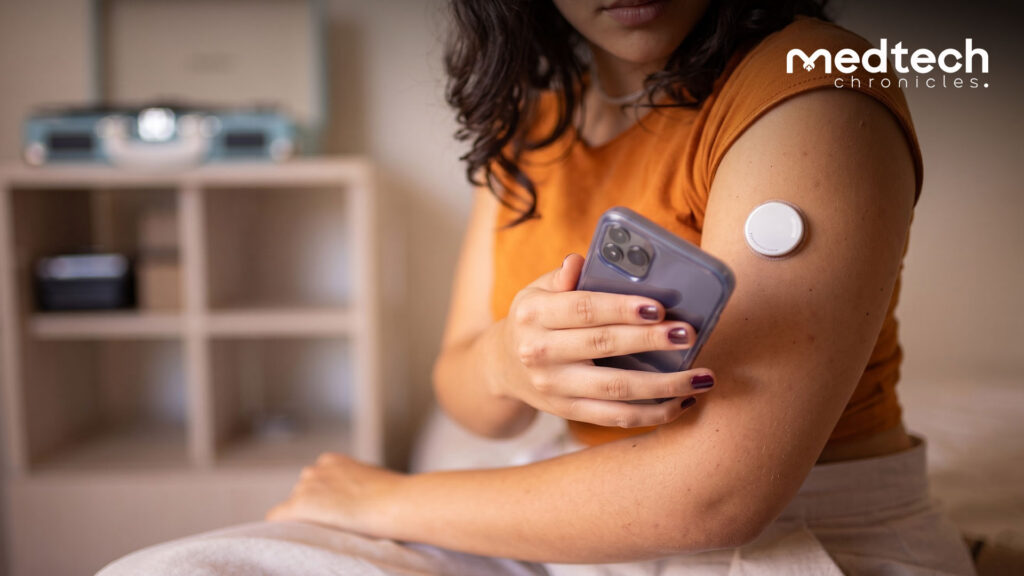
The clearest signal came in August 2026, when JAMA Internal Medicine published a review from researchers at the University of Gothenburg’s Sahlgrenska Academy. Continuous glucose monitors are becoming increasingly popular, including among people without diabetes, but there is no scientific evidence that the technology improves health or prevents disease in healthy people, the researchers concluded, after synthesizing the available clinical evidence.
That’s a stronger statement than “we need more research.” It’s a direct challenge to a multi-billion-dollar wellness category.
The devices remain tremendously valuable for certain groups of patients, according to Minna Johansson, an associate professor at Sahlgrenska Academy and a general practitioner, but she noted they’re increasingly used by groups where it’s simply unknown whether they help at all, or whether they could even cause harm. Johansson also said she believes companies marketing CGMs to the general public should be far more upfront about that gap.
Here’s the part that should give you pause even if you love your morning glucose graph: Johansson and her colleagues say they’re already seeing healthy people seeking medical care just to help them make sense of their CGM readings, despite no evidence those readings translate into better health, and she warns that if the trend continues, it risks pulling time and resources away from patients who need them more.
Read that twice. Healthy people are booking doctor’s appointments to interpret a device that, per the researchers, isn’t proven to make them any healthier.
Is It Worth Wearing a Glucose Monitor If You’re Not Diabetic?
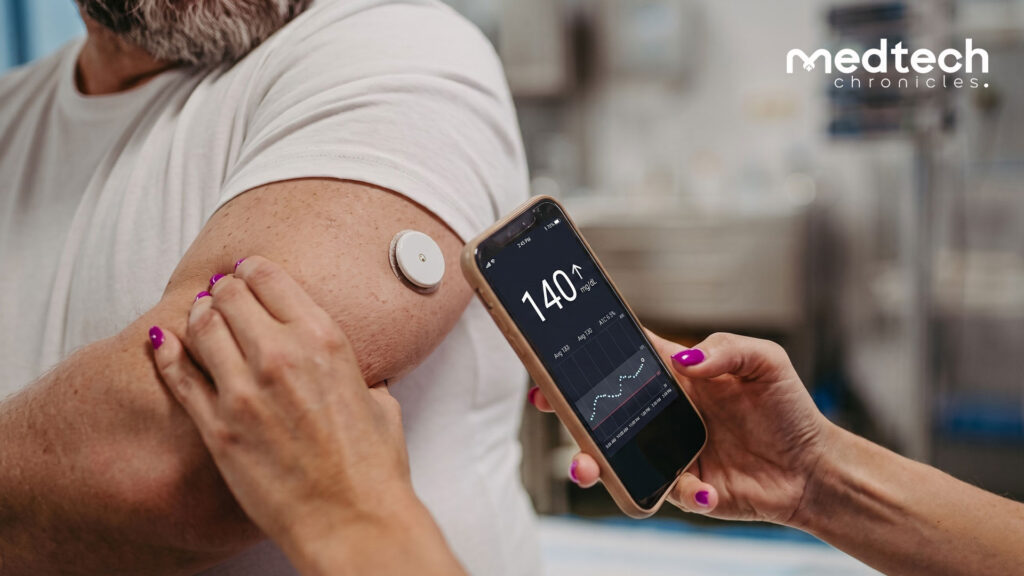
For most healthy adults, no, not as a standalone health tool. The current evidence shows no proven benefit to disease prevention or long-term health outcomes in people without diabetes. It may offer short-term educational value about how specific foods affect you personally, but it isn’t a substitute for medical evaluation.
That’s not just the Gothenburg team’s position, either. Researchers at Johns Hopkins have raised similar concerns, noting that while CGMs are genuinely lifesaving for people with diabetes who use insulin, helping them avoid dangerous lows and fine-tune their dosing, the evidence for what the same data means to someone without diabetes is scant.
That distinction matters. A CGM strapped to someone managing insulin is a safety device. A CGM strapped to someone who just wants to “optimize” is, right now, more of an expensive curiosity.
Why Your “Spike” Probably Isn’t One
Here’s where a lot of the anxiety starts. You eat a bowl of oatmeal, glance at your phone twenty minutes later, and see a number climbing toward 150. Panic sets in. Did I just wreck my metabolism?
Almost certainly not. Research on people without prediabetes or diabetes has found that most healthy individuals spend more than 95% of their time with sensor glucose readings between 70 and 140 mg/dL, but even people with completely normal glucose metabolism drift outside that range occasionally. A brief climb after a carb-heavy meal isn’t a red flag. It’s just digestion.
Stress does something similar. Acute psychological stress can trigger a transient glucose rise through the same hormonal pathway as exercise, so a spike showing up on your graph after a tense meeting has nothing to do with what you ate that morning. Sleep quality shifts your baseline too. So does a hard interval workout, which can temporarily raise glucose through stress hormones even though it’s unambiguously good for you.
In other words: the graph is real, but the story you’re telling yourself about the graph is often wrong.
The Sensor Itself Is Working Against You
There’s a technical wrinkle that makes this worse. CGMs don’t measure blood glucose directly; they measure glucose in the interstitial fluid just beneath your skin, which lags behind your actual blood sugar by several minutes. That lag can exaggerate how a spike looks on screen; one outlet covering the Gothenburg review reported the effect can inflate perceived elevation by close to 400% in healthy users, though that specific figure comes from press coverage rather than the university’s own summary of the findings, so treat it as an illustration of the problem rather than a settled number.
Even the best consumer sensors carry some margin for error. One clinical commentary on the topic puts it at roughly 20%, which is enough to turn an unremarkable fluctuation into what looks like a dramatic swing on your app. Think of it like a bathroom scale that’s sometimes off by four or five pounds, fine for spotting a trend, misleading if you panic over a single reading.
Can a Glucose Monitor Actually Make You Less Healthy?
For a subset of users, yes. Fixating on “perfect” glucose numbers has been linked to unnecessary food restriction, disordered eating patterns, and heightened anxiety around otherwise normal eating habits, especially in people prone to rigid or obsessive thinking about food.
This isn’t a fringe worry. Clinicians tracking the wellness-CGM trend describe a fairly consistent pattern: over-focusing on the data and food intake can tip into orthorexia or other restrictive eating behaviors, and eliminating foods perceived to cause spikes can lead to unhealthy weight loss and a lower quality of life. Some users start avoiding exercise altogether because a hard workout nudges glucose upward, even though that’s a completely normal, healthy physiological response, not a warning sign.
Researchers reviewing the broader “grey literature” around CGMs, blogs, influencer content, and wellness marketing found something telling: that content routinely claims glucose spikes drive outcomes like cancer risk and mood or sleep problems, claims that don’t show up in the peer-reviewed medical literature. The gap between what your favorite wellness account says a spike means and what the actual research supports is wider than most users realize.
Who a CGM Still Makes Sense For
None of this means the device is useless outside a diabetes diagnosis. It just means the bar for “worth it” is narrower than the marketing suggests.
People with prediabetes, a strong family history of type 2 diabetes, a history of gestational diabetes, or other identifiable metabolic risk factors may get real value from a short, supervised trial, typically two to four weeks, paired with a clinician who can actually interpret the trend data rather than react to individual spikes. That’s a meaningfully different use case than an otherwise healthy 28-year-old wearing one indefinitely to “biohack” their oatmeal.
It’s also worth remembering these devices are now genuinely easy to get. Since the FDA cleared over-the-counter CGMs in 2024, the consumer category has exploded; sensors that once required a prescription and an insurance fight now run somewhere between $49 and $99 a month, purchased directly by anyone 18 or older. Easy access isn’t the same thing as clinical benefit, though, and that’s precisely the gap the JAMA reviewers are trying to close.
What to Do Instead of Guessing at Your Glucose
If you’re metabolically healthy and just curious, a standard fasting glucose test or A1C through your regular doctor will tell you far more, for far less money and far less anxiety, than weeks of graph-watching. If something specific is bothering you, unexplained fatigue, night sweats, dizziness after meals, that’s a conversation for your doctor, not a subscription sensor.
And if you do want to experiment with a CGM, treat it the way researchers who’ve actually used one describe it: as a pattern-finder, not a verdict-giver. Glucose spikes are a normal response to eating carbohydrates, and interpreting the data correctly means putting individual readings into context rather than reacting to any single number. One high number after lunch tells you nothing. Two weeks of consistent trends might tell you something, and even then, only with someone qualified helping you read it.
The uncomfortable truth in all this research is pretty simple. More data isn’t automatically more insight. Sometimes it’s just more noise, dressed up as precision, and for a healthy person trying to make sense of a graph that was never designed with them in mind, that noise can cost more than the sensor itself.