


The corporate wellness landscape in Latin America is undergoing a massive shift. For decades, businesses viewed employee health benefits as an expensive, reactive luxury reserved only for executive teams. Traditional health insurance models across Mexico focused heavily on payouts after a catastrophic illness occurred, rather than preventing the illness from happening in the first place. This left millions of mid-level and working-class employees dependent on an overburdened public healthcare system or exposed to financial ruin from sudden medical emergencies.
The traditional insurance industry relies on low utilization to maintain profit margins. This model creates an environment where navigating medical networks is frustrating, paperwork is slow, and preventive screenings are rarely encouraged. However, a digital revolution is quietly changing how millions of Mexican workers access medical attention. At the center of this transformation is a platform built to replace old bureaucratic barriers with an intuitive, preventive digital ecosystem. By using data, gamification, and a massive physical network, this modern platform is proving that keeping a workforce healthy is far more effective than simply paying for their hospital stays.
The Heavy Cost of a Reactive Medical System
Across Latin America, corporate healthcare faces structural inefficiencies. Companies spend millions of pesos annually on insurance policies that employees rarely use until an emergency happens. This reactive approach creates a triple burden: high financial costs for employers, extreme stress for workers, and severe productivity losses due to absenteeism (being absent from work) and presenteeism (working while sick or injured). When employees cannot access primary care easily, minor health issues can easily escalate into chronic conditions.
Furthermore, companies in Mexico face tight regulatory requirements. Labor laws demand strict compliance with occupational health and safety standards. Regulations like NOM-035 require employers to identify, analyze, and prevent psychosocial risk factors in the workplace, including chronic stress and anxiety. Traditional insurance policies do not provide the continuous tracking, psychological support, or real-time data reporting required to comply with these rules. Human resources departments are often left with fragmented tools, missing data, and no clear way to measure the actual well-being of their teams. The market desperately needed a solution that bridges the gap between digital convenience, affordable physical care, and proactive prevention.
The Visionary Leader Challenging the Status Quo
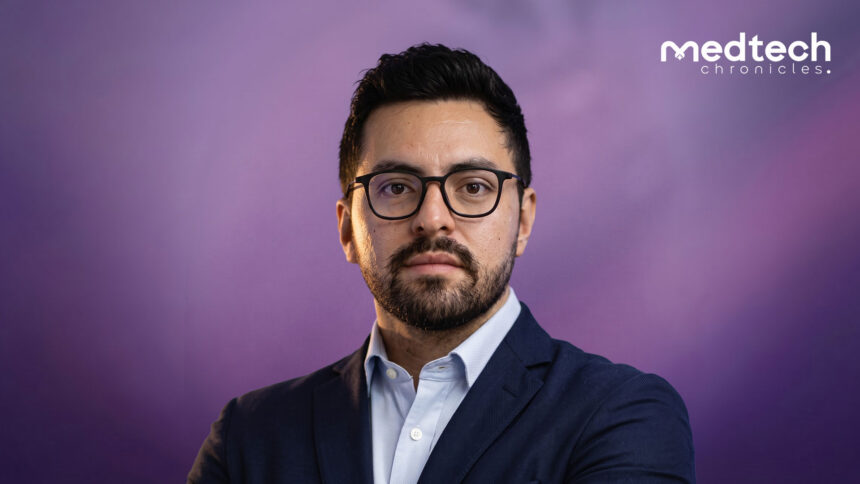
Pablo Emmanuel Aguirre Zavala is the co-founder and CEO of Meddi, a leading health tech and insurtech platform changing healthcare access in Mexico. Founded in 2017, the startup has grown rapidly under his leadership, maintaining a corporate presence in its native region of Guadalajara and Zapopan, Jalisco. Known among his colleagues as a passionate, resilient, and deeply inspiring strategist, Aguirre Zavala combines business leadership with an aggressive focus on technological innovation.
Set out to build a platform capable of handling the complex realities of the Mexican healthcare system, Aguirre Zavala partnered with co-founder Roberto Riestra Ruiz, who actively drives the company’s footprint as the Director of Expansion and Growth. Together, they envisioned a digital hub that aggregates medical demand, lowers costs, and connects patients directly with providers. Rather than trying to compete as a traditional insurance carrier, Aguirre Zavala positioned Meddi as an intelligent ecosystem wrapper. The platform partners with major reinsurers, financial networks like MasterCard, and prominent nationwide medical networks to make comprehensive primary and specialist care a normal part of daily corporate life.
Turning Clinical Frustration Into a Startup Mission
The motivation behind Meddi stems from firsthand exposure to the deep flaws within the public healthcare network. Early in his professional journey, Aguirre Zavala observed the daily struggles of patients facing medicine shortages, long waiting lines, delayed diagnostic procedures, and severe bed shortages. He realized that these structural gaps did not just harm individual families; they threatened the financial stability of the entire lower-middle and middle-class population. One major unexpected health event could wipe out a family’s life savings.
Determined to find an alternative, Aguirre Zavala began experimenting with a localized health model within private medical networks. He noticed that many local doctors had open, unutilized appointment slots throughout the week, while thousands of nearby residents could not afford standard private consultation fees. By negotiating lower, predictable rates with physicians in exchange for bringing them a steady stream of digital patients, he created a volume-driven framework. This early clinical experiment laid the operational groundwork for Meddi. It proved that matching empty healthcare supply with underserved corporate demand could lower prices by 70% to 80% without sacrificing clinical quality.
Constructing a Comprehensive Corporate Wellness Ecosystem
Building Meddi meant creating a 360-degree digital corporate wellness infrastructure that addresses both physical and digital health needs. At its core, the platform operates as an intuitive mobile and web application. It connects corporate employees and their families to a vast, closed-loop network of 58 allied hospitals, over 5,000 certified specialists, and 300+ diagnostic laboratories across more than 25 distinct specialties. Through the platform, users gain immediate 24/7 access to online medical consultations, digital medical charts, nutrition coaching, and professional psychological support.
To bridge the gap between digital telemedicine and physical care, Meddi introduced a major operational differentiator: a direct integration with processing networks like MasterCard. Every registered user receives a physical or virtual payment card linked to this allied partner network. If a patient needs to see a specialist or visit a clinic within Meddi’s ecosystem, the startup loads funds directly onto the card to cover the pre-negotiated consultation cost. This elegant solution removes the slow, frustrating out-of-pocket reimbursement process common in traditional insurance. Additionally, the corporate health plans extend core medical benefits to the direct family members of the employee. This intentional design choice prevents self-medication at home and establishes a wide safety net around the worker’s household.
Navigating Scale and Earning the Backing of Industry Giants
The growth journey of Meddi from an early-stage startup to a major market player required navigating strict financial regulations and overcoming initial skepticism from corporate clients. Healthcare is an industry built on trust, and convincing human resources executives to swap old, recognizable insurance names for a digital-first platform was an uphill battle. Aguirre Zavala focused heavily on proving immediate financial and operational value. By making all health plans 100% tax-deductible for businesses and automating real-time reporting for regulatory compliance like NOM-035, Meddi turned health benefits from an administrative headache into a strategic business advantage.
The company’s execution soon attracted massive attention from top-tier venture capital firms and institutional investors. Meddi successfully secured initial backing from prominent funds, including CAPEM México, ID345, Enlaces, Open Water Investment, and Unreasonable México, raising an aggregate of $1.7 million in early seed capital. The true turning point came with the closing of its highly anticipated Series A funding round. Led by a massive $8 million investment (137 million Mexican pesos) from Grupo Nacional Provincial (GNP) Seguros, one of the largest insurance firms in the country, alongside its subsidiary Médica Móvil, Meddi scaled its total historical lifetime funding to $9.5 million. This landmark corporate partnership validated Meddi’s technology and allowed the platform to scale its preventive ecosystem alongside a titan holding over 24% of the major medical insurance market.
The Power of Aggregated Data and Gamification
Aguirre Zavala’s industry expertise centers on a core belief: true wellness comes from prevention, not compensation. Today, Meddi manages a massive user base across the region. This massive scale has allowed the platform to build an analytical database of laboratory results, diagnostic markers, and historical health records. By integrating advanced artificial intelligence and proprietary decision-support tools, the platform helps doctors identify early chronic health risks long before they turn into medical emergencies.
To keep users actively engaged in their health journeys, Aguirre Zavala introduced gamified wellness challenges directly into the corporate health plans. Instead of treating healthcare as an open-ended obligation, the platform turns wellness into an interactive experience:
- Identifying Health Risks Early: Propelled by data analytics, the platform pairs preventive medical care with modern AI metrics to isolate underlying chronic conditions before hospitalization is required.
- Monthly Wellness Levels: Employees unlock personalized, structured health challenges every month, focusing on physical movement, optimal hydration, and mental well-being.
- Corporate Leaderboards: Coworkers participate in friendly, company-wide leaderboards, tracking their health progress transparently against team goals.
- Direct Economic Rewards: Earned health points can be converted into actual economic balances loaded onto the user’s Meddi card, allowing them to spend rewards on daily necessities or donate to community charities.
Cultivating a Culture of Empathy and Technical Excellence
As a chief executive, Aguirre Zavala leads with an operating style that balances deep social empathy with strict data metrics. He has scaled his internal team to close to 100 dedicated employees, fostering an environment where engineers, product designers, and medical professionals work closely together. He believes that tech innovation is useless if it is not accessible to the most vulnerable segments of the working population.
This philosophy shapes how the platform is designed. The user interface uses simple language, features clear buttons, and offers ultra-fast loading times to accommodate older smartphones or weaker cellular networks. Aguirre Zavala pushes his team to spend time listening to customer feedback from warehouse workers, logistical staff, and corporate managers alike. This hands-on, user-first approach ensures that the engineering team remains grounded in the real-world needs of the people they serve.
A Unified Future for Latin American Workplace Health
Looking ahead, the strategic goal for Meddi is to fully consolidate its physical and digital infrastructure into a seamless, unified ecosystem across Latin America. Backed by its massive corporate partnership with GNP Seguros, the startup is aggressively expanding its commercial footprint among top-tier enterprises, labor unions, and large manufacturing organizations. By creating an automated, traceable link between diagnostic labs, local pharmacies, imaging centers, and on-demand telemedicine, the platform aims to eliminate the administrative waste that historically inflated healthcare costs.
For Aguirre Zavala, the future of the talent race will be won by organizations that treat occupational health as a long-term strategic asset rather than an ongoing financial expense. As Meddi scales past its current milestones, it is setting a clear blueprint for the future of workplace benefits. By shifting the focus from paying for illness to actively incentivizing daily health, the platform is proving that corporate productivity and human empathy can be advanced together through smart code, dedicated care, and visionary leadership.