



Hearing the word “cancer” is bad enough. Hearing “chemotherapy” right after it is what actually makes people’s stomachs drop: the hair loss, the nausea, the months of feeling like your own body has turned against you on two fronts instead of one. So when doctors started talking about precision oncology as a real alternative for some patients, not a hypothetical from a science journal, people paid attention. And for good reason.
Precision oncology doesn’t throw a broad chemical net over the whole body and hope it catches more cancer cells than healthy ones. It looks at the specific genetic fingerprint of your tumor first, then picks a weapon built for that exact target. For some patients, that means skipping chemo’s worst side effects entirely. For others, it means something more complicated. Let’s get into it.
What Is Precision Oncology, Exactly?
Precision oncology is an approach that matches cancer treatment to the genetic mutations driving an individual patient’s tumor, rather than applying the same standard protocol to everyone with the same cancer type. Doctors call it “precision medicine,” “personalized medicine,” or just genomic-guided treatment; the names differ, but the idea doesn’t.
Here’s the thing that makes it different from the cancer care your grandparents got: two people can walk in with the exact same diagnosis, say, non-small cell lung cancer, and leave with completely different treatment plans. Why? Because their tumors might be driven by entirely different broken genes. One person’s cancer might carry an EGFR mutation. Another might have a BRAF mutation. Target the wrong one, and you’re basically guessing. Target the right one, and the drug can shut down the exact pathway keeping that tumor alive.
This isn’t science fiction. Memorial Sloan Kettering and other major cancer centers already run genetic testing on tumor samples as standard practice for cancers like lung, breast, and colorectal, checking for mutations in genes like BRAF, BRCA1/2, EGFR, HER2, and KIT before deciding on a treatment path.
Why Chemo Became the Default in the First Place
Chemotherapy isn’t outdated junk science; it’s still one of the most effective tools oncology has, and it saves millions of lives every year. But it works by attacking any cell that divides quickly. That’s the whole strategy: cancer cells divide fast, and so does chemo’s target list. The problem is that your hair follicles divide fast, too. So do the cells lining your gut and the ones making your blood counts. That’s where the hair loss, nausea, and immune suppression come from, not cruelty, just collateral damage from a blunt instrument.
For decades, blunt was all we had. Now it isn’t, at least not for everyone.
Is Targeted Therapy Actually Better Than Chemo?
In mutation-matched patients, targeted therapy can significantly outperform chemotherapy on both survival and side effects, but it isn’t universally superior, and for cancers without an actionable mutation, chemo remains the standard of care.
The data backs this up in ways that are hard to argue with. Patients with advanced non-small cell lung cancer who received targeted therapy showed a median progression-free survival of 13.1 months, compared with 7.2 months for patients on standard chemotherapy, nearly double. In elderly NSCLC patients specifically, one study found a 1-year survival rate of 66.7% for those on targeted EGFR-inhibitor therapy versus 29.4% for those on single-agent chemo.
The Numbers Behind the Hype
It’s not just survival curves. A 2023 study in the Annals of Oncology found that non-small cell lung cancer patients who got targeted therapy based on their tumor’s genetic profile had a 37% lower risk of disease progression or death compared to standard chemo. And in a more recent “N-of-1” precision oncology trial out of UC San Diego, only 6.5% of patients on individually matched drug combinations experienced severe treatment-related toxicity, versus 15.5% on standard regimens.
That’s the part that gets buried under the survival statistics but matters just as much to the person actually living through treatment: fewer patients getting badly hurt by the cure itself.
None of this means targeted therapy is side-effect-free. It isn’t. Diarrhea, liver changes, high blood pressure, and skin problems show up often enough that oncologists monitor for them closely. But most patients don’t lose their hair, and most don’t get hit with the same wave of nausea and blood-count crashes that come standard with chemo.
Can Cancer Be Cured Without Chemotherapy?
Yes, for certain cancer types and stages, surgery, targeted therapy, radiation, or immunotherapy alone can achieve remission or cure without chemotherapy ever entering the picture.
Early-stage lung tumors removed through minimally invasive surgery sometimes need nothing else. Early breast cancer treated with lumpectomy plus targeted radiation is another common example. Chronic myeloid leukemia used to be a chemo-heavy diagnosis; today, a drug called imatinib that blocks the specific fusion protein driving CML growth is typically the first-line treatment instead, not a backup plan.
Immunotherapy adds a third path that isn’t chemo and isn’t classic targeted therapy either; it works by waking the immune system back up rather than attacking the tumor directly. Checkpoint inhibitors that block the PD-1/PD-L1 pathway have become frontline treatment for certain melanoma and lung cancer patients, and for some, it’s genuinely changed what “stage IV” means for their prognosis.
So yes, chemo-free cancer treatment is real, not a fringe claim. But it’s not the default, and it’s nowhere near universal.
The Catch Nobody Puts on the Brochure
Here’s where the story gets uncomfortable, and it’s the part that doesn’t make it into the hopeful headlines.
Precision oncology only works if you’re actually tested for the mutations it targets. And a huge number of patients simply aren’t. Research shows more than 70% of lung cancer patients treated in community settings don’t receive biomarker testing as recommended by national guidelines, and even when testing happens, more than 50% of patients don’t go on to receive the precision therapy the results point them toward. One analysis calculated that 64.4% of advanced NSCLC patients aren’t benefiting from the precision oncology options that exist for their disease.
Why the gap? Insurance is a big piece of it. Medicaid patients are 40% less likely to get biomarker testing than privately insured patients, and 30% less likely to receive targeted therapy even after testing confirms they qualify. Add in fragmented care between hospitals, inconsistent insurance coverage for genetic panels, and doctors in smaller practices who simply aren’t caught up on which of the dozens of new biomarkers apply to their patient, and you get a system where the technology has raced way ahead of access to it.
One especially blunt study on precision medicine access followed 300 patients over several years and found that 9% were denied treatment outright due to insurance denials, and 12% died before they ever gained access to the precision cancer medicine that might have helped them. That’s not a footnote. That’s the whole story, arguably.
So Who Actually Qualifies?
This is where genetic profiling comes in as the gatekeeper for everything else. Not every tumor has an “actionable” mutation, one that a drug currently exists to target. Cancers driven by well-mapped mutations like EGFR, HER2, BRAF, or BRCA1/2 tend to have the most established targeted options. Others still don’t have a clean genetic handle to grab onto, which means chemo, radiation, or surgery remains the most reliable tool available.
That’s also why oncologists increasingly rely on tumor boards, panels of specialists who look at a patient’s full genomic profile together and argue out the best combination of treatments, rather than any single doctor guessing alone. It’s slower than handing someone a standard protocol off the shelf. It’s also, when it works, considerably more accurate.
Where This Is Headed
Precision oncology isn’t replacing chemotherapy, not yet, and maybe not ever entirely. What it’s doing is narrowing the number of patients for whom “cancer treatment” automatically means the roughest version of itself. Newer platforms are already pushing further, combining antibody-drug conjugates, T-cell engagers, and RAS-targeting therapies that didn’t exist a few years ago, expanding the list of mutations doctors can actually do something about.
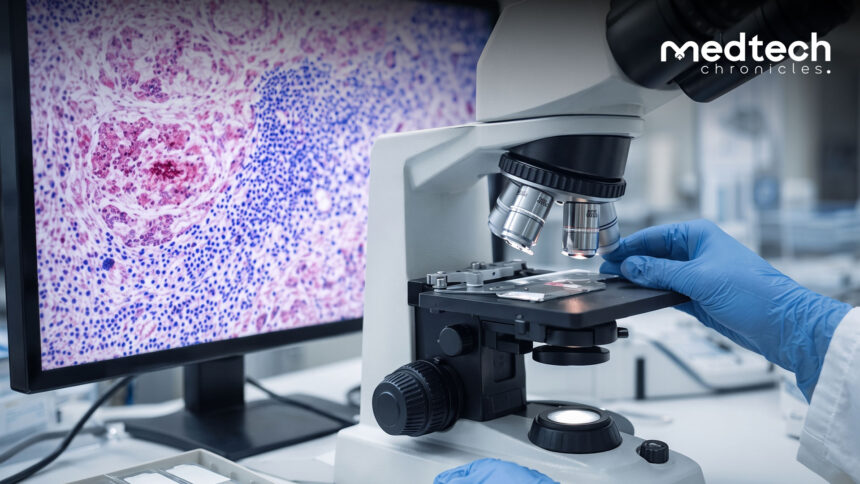
The honest version of this story isn’t “chemo is obsolete.” It’s that the treatment your oncologist recommends should depend on what your specific tumor looks like under a microscope and a gene sequencer, not just what cancer it happens to share a name with. If there’s one question worth asking at your next oncology appointment, it’s this: has my tumor actually been tested for the mutations that might change this whole plan? For a lot of patients, that single question is the real fork in the road, not chemo versus not-chemo, but tested versus not-tested at all.